Old clothing guide

How to sort clothing from an estate or collection.

Make a useful first pass without identifying, researching, or pricing every garment. The goal is to show the scope and protect anything that deserves a closer look.

Older clothing hanging and stacked in a storage area
Representative instructional image of an estate or storage sorting situation.

Start with the whole group

Show the rooms, closets, racks, boxes, or tables involved.

Sort by broad category

Workwear, denim, Western, military, and unusual garments first.

Keep condition honest

Do not discard patched, stained, faded, or unidentified pieces.

Call before deep sorting

A short conversation can focus the next pass.

A practical first pass

Three stages are enough to begin.

You do not need a spreadsheet, an appraisal, or a researched list of every brand.

  1. Stage 1

    Record the overall amount

    Take broad photos of each closet, rack, table, trunk, or group of boxes. Note the general location and a rough quantity.

  2. Stage 2

    Set aside likely categories

    Pull workwear, denim, Western, military, uniforms, overalls, and anything unusually old, repaired, marked, or difficult to identify.

  3. Stage 3

    Call before going deeper

    Share the overview. Dust Em Vintage can ask for the next useful photos without making you document every piece.

Keep useful context together

When practical, leave garments grouped by the closet, trunk, room, barn, shop, or person they came from until broad photos are taken. That context may make the quantity and purpose of the clothing easier to understand.

Separate clothing from unrelated household items

Make the clothing visible without throwing away tags, belts, hoods, liners, patches, or other parts that appear to belong with it.

Do not sort by condition alone

A clean garment is not automatically more relevant than a patched or stained one. Keep old, unusual, repaired, faded, paint-marked, or unbranded clothing in the first review.

Protect private information in photos

Move personal papers, mail, identification, and unrelated family photographs out of the frame. Garment names, laundry marks, and service markings can remain visible.

Photos that show the scope

Overview first. Standout pieces second.

Broad photos save time and help decide where closer attention is useful.

A mixed group of older jackets, denim, overalls, and shirts arranged on a work table
Broad group view. Representative instructional image showing a mixed collection arranged so the overall quantity and categories are visible.
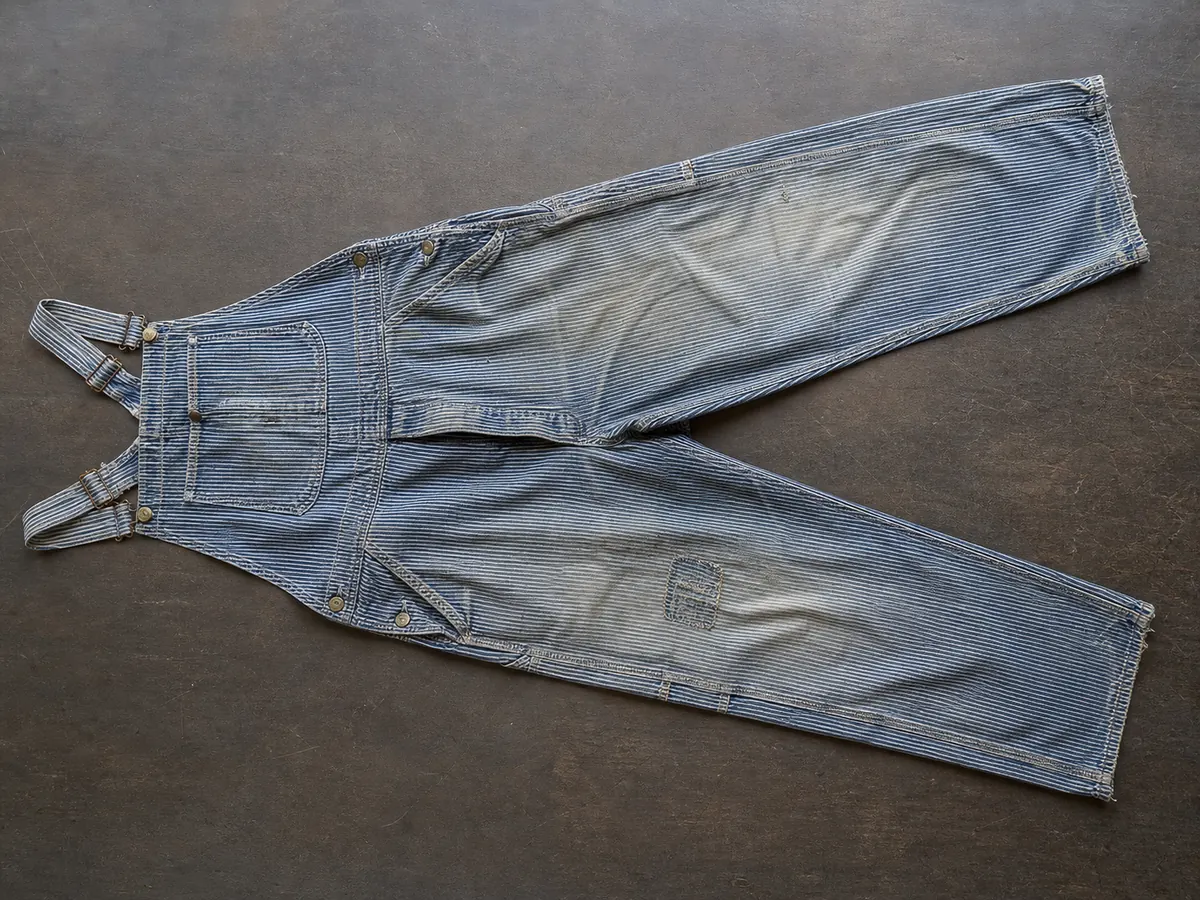
Striped work overalls laid flat for a clear full-garment photograph
Standout garment view. Representative instructional image showing a full piece after the broader group has been photographed.

What to tell us

A rough overview is enough for the first call.

No exact inventory is required. Share what you know and say when something is only an estimate.

  • General city, state, or region
  • Approximate number of garments, racks, boxes, or rooms
  • Whether the clothing comes from an estate, farm, ranch, business, collection, or cleanout
  • Any timing or access considerations
  • Whether shipping, pickup, or travel may need to be discussed

Pickup or an in-person visit is considered only after an initial review of an appropriate larger collection. It is not a standard appraisal service.

Before anything is discarded

Call with the rough quantity and location.

Dust Em Vintage can help identify the next useful photos and whether a larger collection deserves further review.