Old clothing guide

Before you clean or repair old clothing.

Photograph and review an older garment before washing, treating, removing, or changing anything. Wear and old repairs are not automatic reasons to discard it.

Close view of fraying and an old repair on a work garment
Old repairs, fading, stains, and wear can provide useful information about a garment.

Photograph first

Capture the garment while its original condition is visible.

Keep repairs

Old patches and stitching may be part of what makes it interesting.

Keep labels

Do not remove tags, names, stamps, or service markings.

Wait on treatment

Old fabric, dyes, finishes, and trims may react unpredictably.

Leave the garment as found

Do not wash, soak, bleach, dry clean, re-dye, or treat stains before asking. A well-meant cleaning attempt can change color, surface wear, old finishes, printed markings, or fragile fabric.

Pause before using heat or steam

Wait before ironing, steaming, machine drying, or pressing creases. Heat can affect older fibers, coatings, transfers, plastic buttons, and other trims in ways that are difficult to reverse.

Keep old repairs and alterations

Do not remove patches, stitching, names, shortened hems, or other changes. They can show how a garment was used and may be part of its collector interest.

Do not make it look newer for the photo

Fading, paint, stains, fraying, holes, and missing parts should remain visible. Honest condition photos make the first review more useful.
Evidence in the garment

Repairs and construction can help explain what you found.

Visible wear deserves observation before a quick decision is made about condition or value.

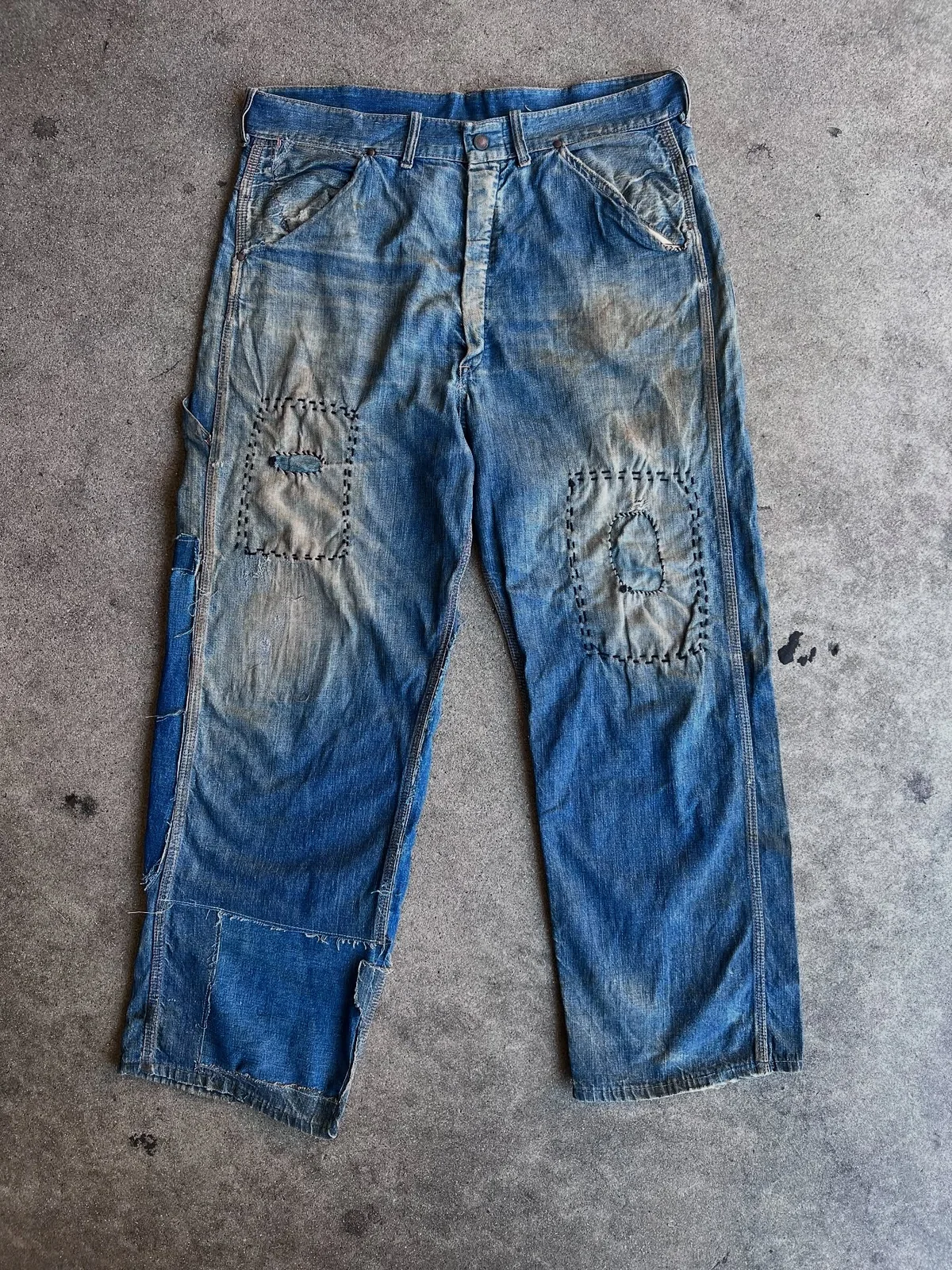
Old work pants with visible repairs and wear
Repairs are part of the record. Patches, hand stitching, and reinforced areas can show prolonged use rather than make a piece unworthy of review.
Close view of an old garment label, seam, buttons, and pocket construction
Details help identification. Representative instructional image showing labels, seams, buttons, and pocket construction worth photographing before alteration.

While you wait for a reply

Handle fragile clothing gently.

Keep the garment dry and away from direct heat. Support weak or heavy pieces instead of pulling on a damaged collar, shoulder, waistband, or hanger loop. If an item is damp, moldy, or actively shedding material, keep it separate from other clothing and mention that condition when you call or text.

  • Take full front and back photos
  • Photograph every label and marking
  • Show each damaged or repaired area
  • Note odors, dampness, or active deterioration without trying to treat it

Unsure whether to clean it?

Ask while it is still as found.

Describe the garment and send a few clear photos. Brand, age, and vintage terminology are not required.